
Frequent Flyer Programs: Choosing the Right One for You
Before you start earning points with a credit card program, you’ll need to decide which Frequent Flyer Program (FFP) to enroll in if you haven’t already done so.

The Evolution of Frequent Flyer Programs
Way back when, the only way to earn miles was to fly. The more you flew, the more miles you earned. Simple.

Now, you can earn “points” or “miles” not only by flying but also by using credit cards either ones that are affiliated with a specific airline, or flexible cards that let you transfer points to multiple airlines. I use both.
Airline Alliances & Flexibility
Most airlines have their own programs, but many are also part of Global Alliances that allow passengers to earn and redeem miles across multiple carriers.
There’s no single “best” program, it depends on your home airport, travel habits, and priorities. Consider things like:
Nonstop vs. connecting routes
Frequency of flights
Price and destination coverage
Lounge access, upgrades, and elite status perks
For us, nonstop flights to the East Coast were key. We used to be loyal United flyers and had tons of miles but few perks. Fifteen years ago, we cashed them out for a Europe trip and never looked back.
Why We Switched to Alaska Airlines
Every program has its own elite tiers and thresholds to unlock the best benefits. For us, Alaska Airlines checked all the boxes. We’ve been loyal ever since, wearing what we jokingly call our golden handcuffs.
We primarily fly Alaska and British Airways, which are partners, making it easy to stay within the same ecosystem. Both airlines also partner with carriers serving destinations on our future travel list, so we focus our mileage earning here.
How Alaska’s Program Works
Alaska Airlines has two main earning systems:
Alaska Mileage Plan (Atmos) – their own frequent flyer program
Oneworld Alliance – a global network of partner airlines
That means we earn 100% of the miles when flying Alaska, but can also earn on partner flights.
Here’s how it works in practice:
Example:
Let’s say I’m flying from SFO to Dallas and want a nonstop flight. American Airlines offers that route.
I book and pay through American.
I enter my Alaska Atmos number when booking.
I earn Alaska miles, even though I’m flying American.
Why not use my American Airlines number? Because I don’t have status with them, and I’d rather build up one strong Alaska account than scatter miles across multiple programs.
The trade-off: I probably won’t get upgrades or priority boarding on American but I’m okay with that since my Alaska balance grows faster.
Earning with Partners
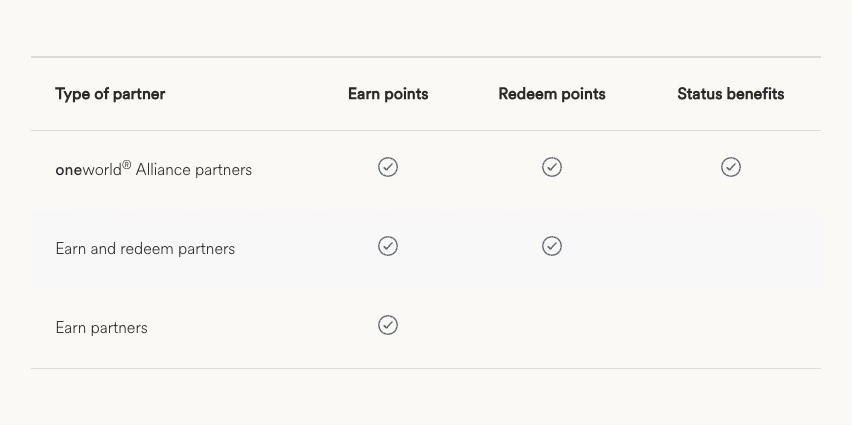
You can earn Alaska miles the same way when flying with these Oneworld Alliance partners:
Oneworld Airlines (Earn + Redeem):
American Airlines • British Airways • Cathay Pacific • Fiji Airways • Finnair • Iberia • Japan Airlines • Malaysia Airlines • Oman Air • Qantas • Qatar Airways • Royal Air Maroc • Royal Jordanian • SriLankan Airlines
Additional Earn & Redeem Partners:
Aer Lingus • Air Tahiti Nui • Condor • Hainan Airlines • Icelandair • Korean Air • Philippine Airlines • Porter Airlines • Starlux Airlines
Earn-Only Partners:
Aleutian Airways • Bahamasair • Cape Air • Contour Airlines • Kenmore Air • Mokulele Airlines • Singapore Airlines • Southern Airways Express
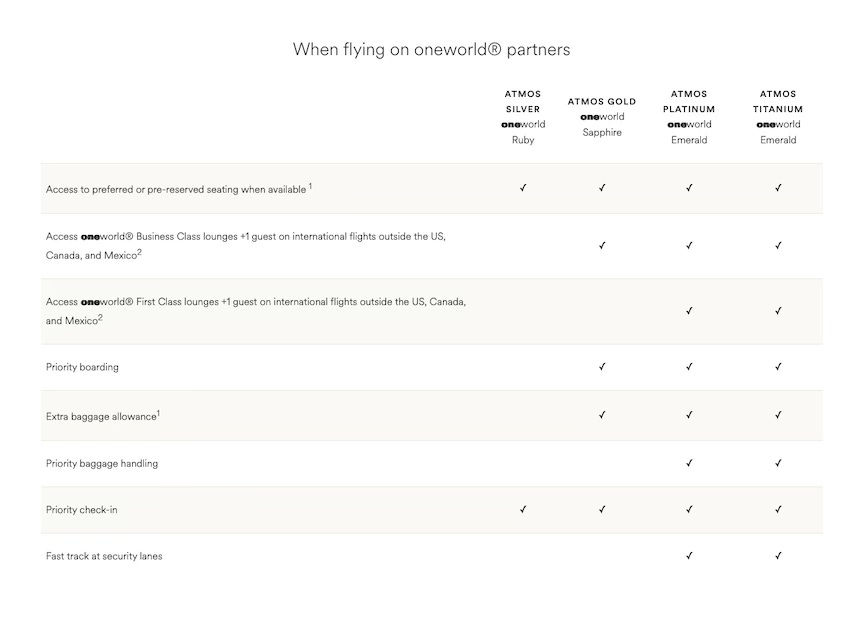
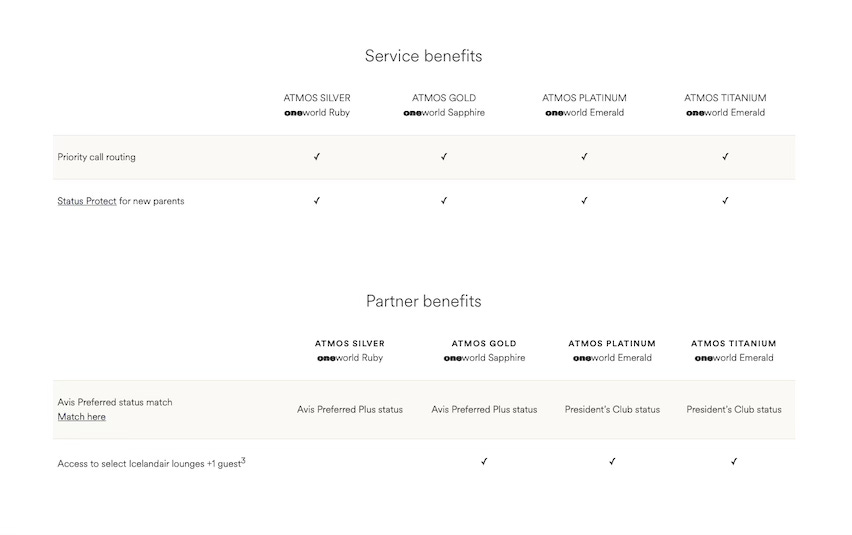
Here are a few charts for more of a visual clarity - focusing on Oneworld Alliance (Alaska and British).
When to Use a Different Frequent Flyer Number
If I’m flying British Airways, I’ll usually use my BA number instead of Alaska’s. Why? Because I have BA status, which gives me lounge access and priority boarding, benefits Alaska can’t extend when I’m on a BA operated flight.
Even within the same alliance, sometimes it pays to pick the program that gives the most back on that particular route.
Managing Multiple Programs (Virgin & Delta)
Even though I focus 99% of my flying on Alaska and British Airways, I also have a Virgin Atlantic Flying Club account that has built up quite a lot of miles over the years. The nice thing about Virgin’s program is that their miles never expire, which means there’s no pressure to use them quickly.
That said, I’m still figuring out the best way to use them strategically. Virgin partners with Delta as well as several international carriers, so I’m exploring whether it makes sense to redeem those miles for premium cabin flights to London or possibly to top off a future Delta trip.
Speaking of Delta; I recently did a status match using my Alaska Atmos number because I have a Delta trip coming up in January, and I didn’t want to sit at the back of the bus so to say. It’s a great short-term way to enjoy some perks (like earlier boarding or seat upgrades) when you have to fly outside your usual airline. I’ll report back once I see how it plays out but it’s a reminder that sometimes flexibility is just as valuable as loyalty.
So What Does It All Mean?
All of this boils down to strategy and loyalty. The more you can consolidate your flying and spending within one ecosystem, the more valuable your points, miles and perks become.
Honestly, keeping track of which program or card to use can feel like a part-time job. There’s definitely a lot of juggling between airlines and cards, and I know it drives my partner a little crazy. (“Use this card! No, not that one, this one gets double miles!”) But over time, those small choices add up to big rewards, and sometimes even a surprise upgrade or a free trip.
Next Up: Let’s Learn About Transferring — how to move those hard-earned points and miles to where they’ll do the most good.